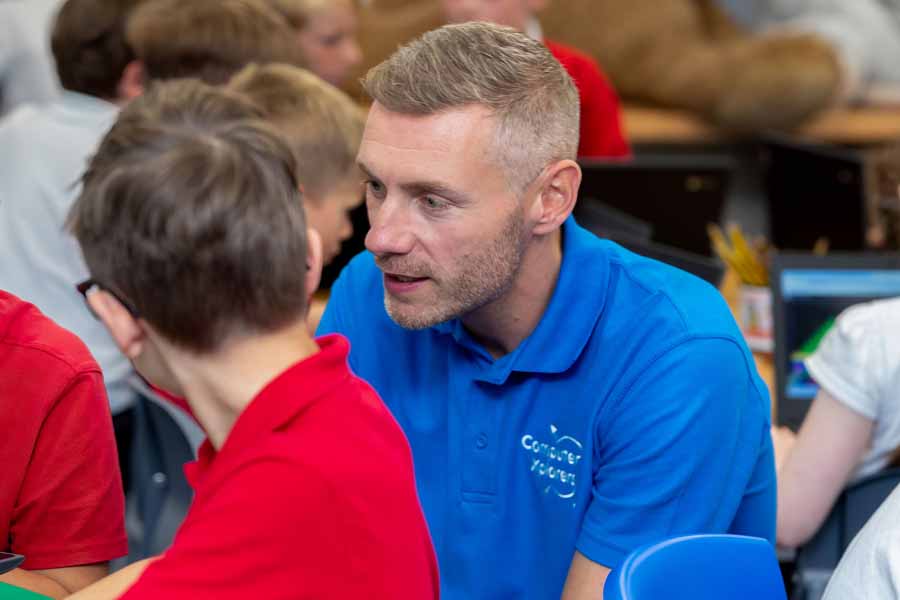
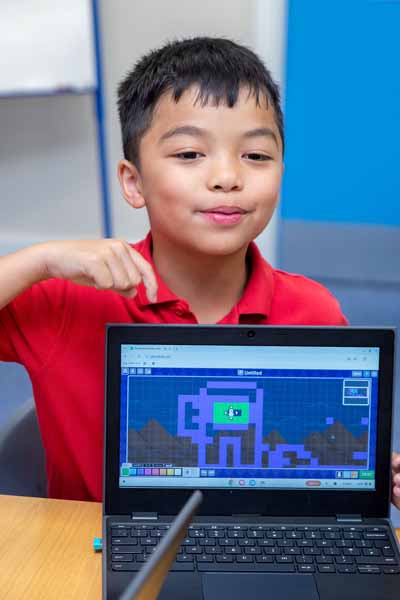
for parents
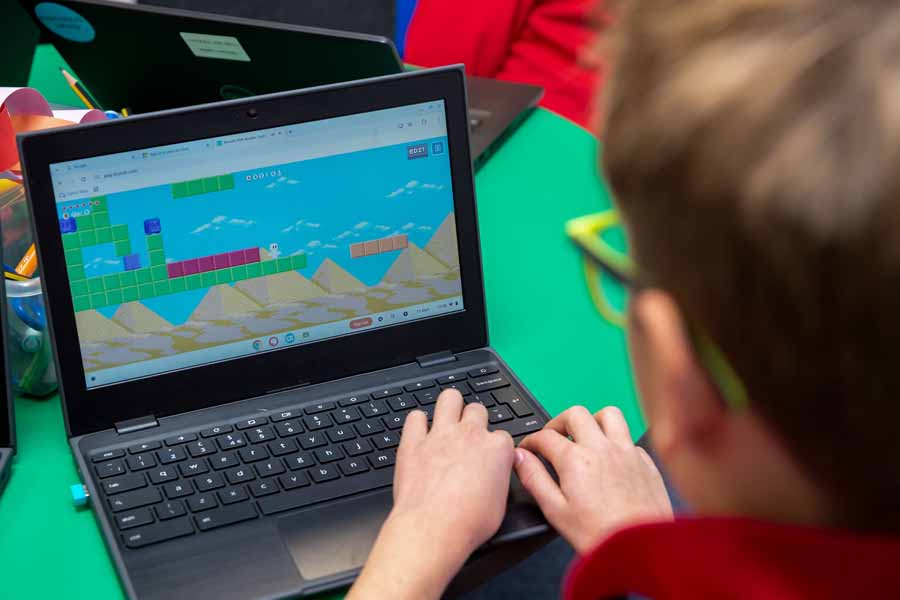
Explore engaging digital programs that help your child build creative thinking skills and confidence.

for schools
STEM programs that build
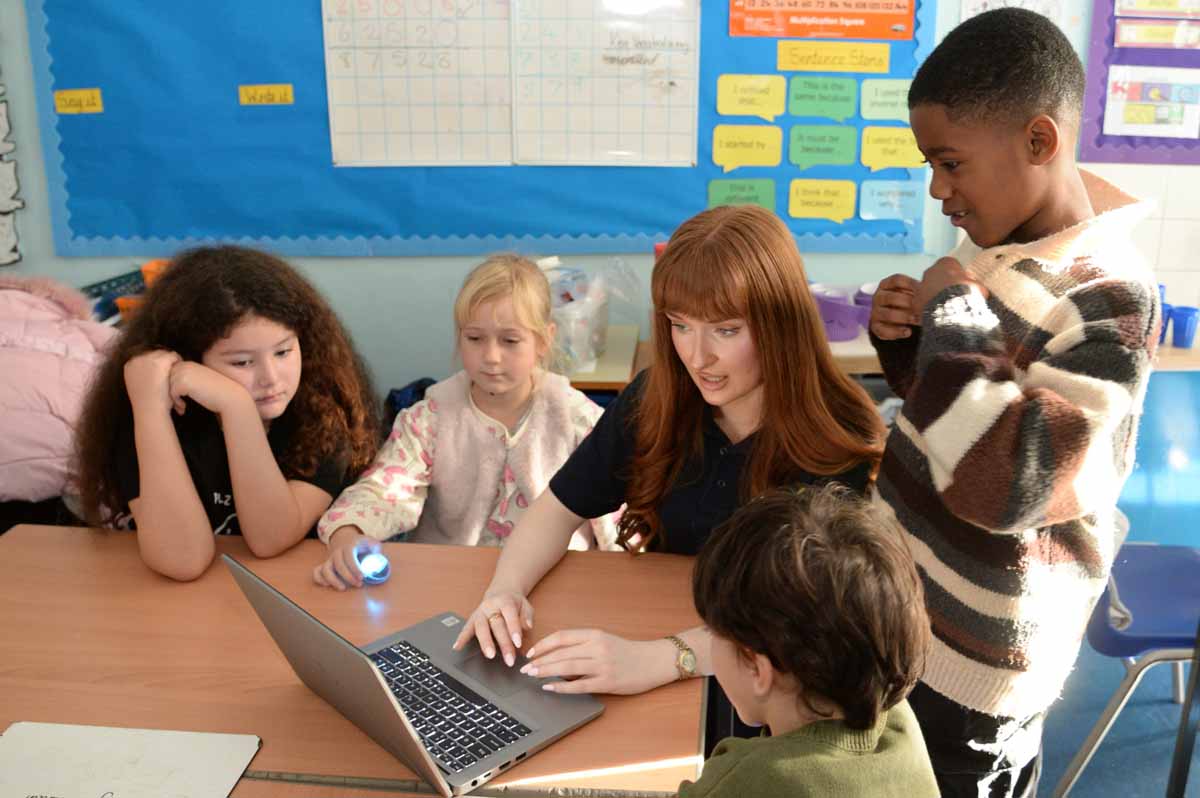
real-world digital skills, without adding pressure to teaching staff.
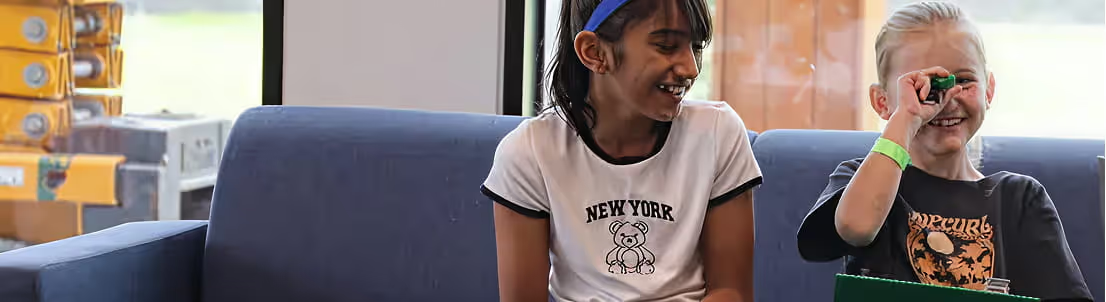

after school clubs
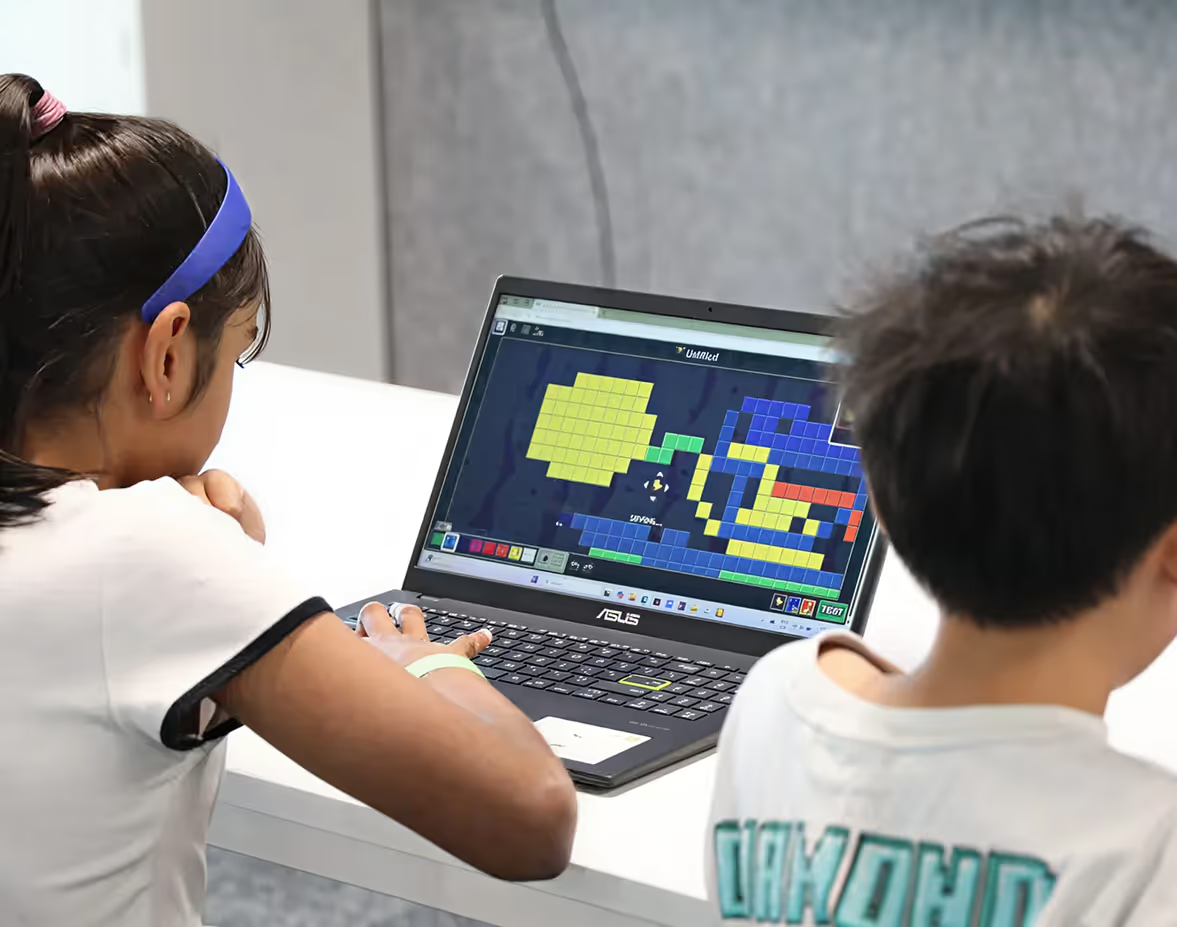
Fun, hands-on technology clubs delivered at schools in a safe, instructor-led environment.
holiday camps
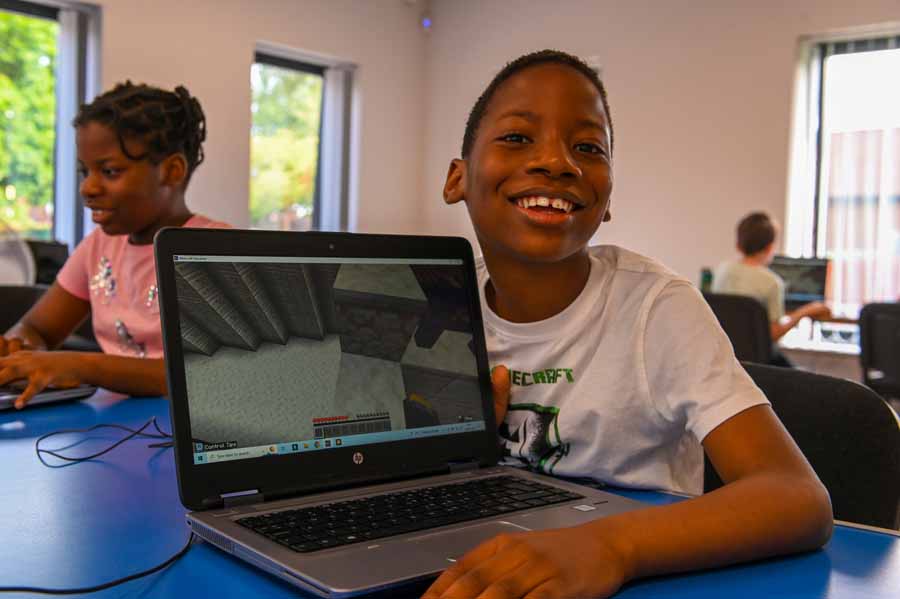
Engaging, themed technology camps designed to keep children learning throughout the holidays.

homeschooling
Flexible STEM learning designed to support structured education at home.
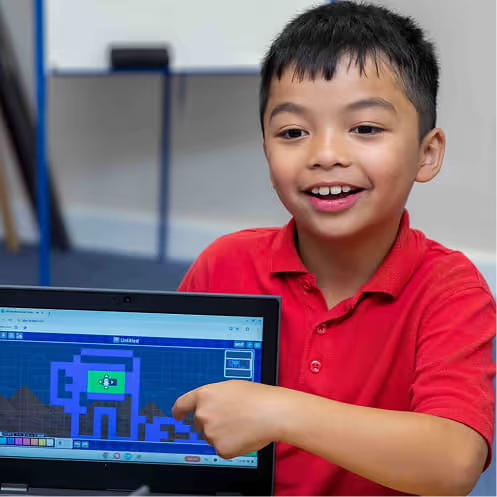
online programs
Live online classes where children explore coding, robotics, and digital creativity.

ACADEMY
A weekly technology programme where children build coding, robotics, and creative digital skills.

ALL ACTIVITIES
Every technology activity we offer, from coding and robotics to game design and animation.